
Our history
1981 — 2026
Before the curtain. Opera was never foreign to Puerto Rico. Lucia di Lammermoor was already being heard on the island in 1842, and in 1856 a fourteen-year-old Adelina Patti sang at the Teatro Tapia. In 1877, touring Italian companies took Macbeth to San Juan and Ponce. In the twentieth century, Norma had its local premiere at the Teatro Paramount in 1942. When Teatro de la Ópera was born, it joined a tradition more than a century old.
The company was incorporated in 1981 by the tenor Antonio Barasorda, his wife Lola Sangüesa and Hilton López. It made its public debut with a gala Un ballo in maschera by Verdi on April 15 and 17, 1982, in the Sala de Festivales of the Centro de Bellas Artes. Margarita Castro-Alberty led the cast as Amelia, in a production by Manuel Fernández Cortines staged by Pablo Cabrera. The first season continued with The Barber of Seville in August and La traviata in November.
In Rome or Naples, in Mexico City or Caracas, in Chicago or Boston, they do it no better.
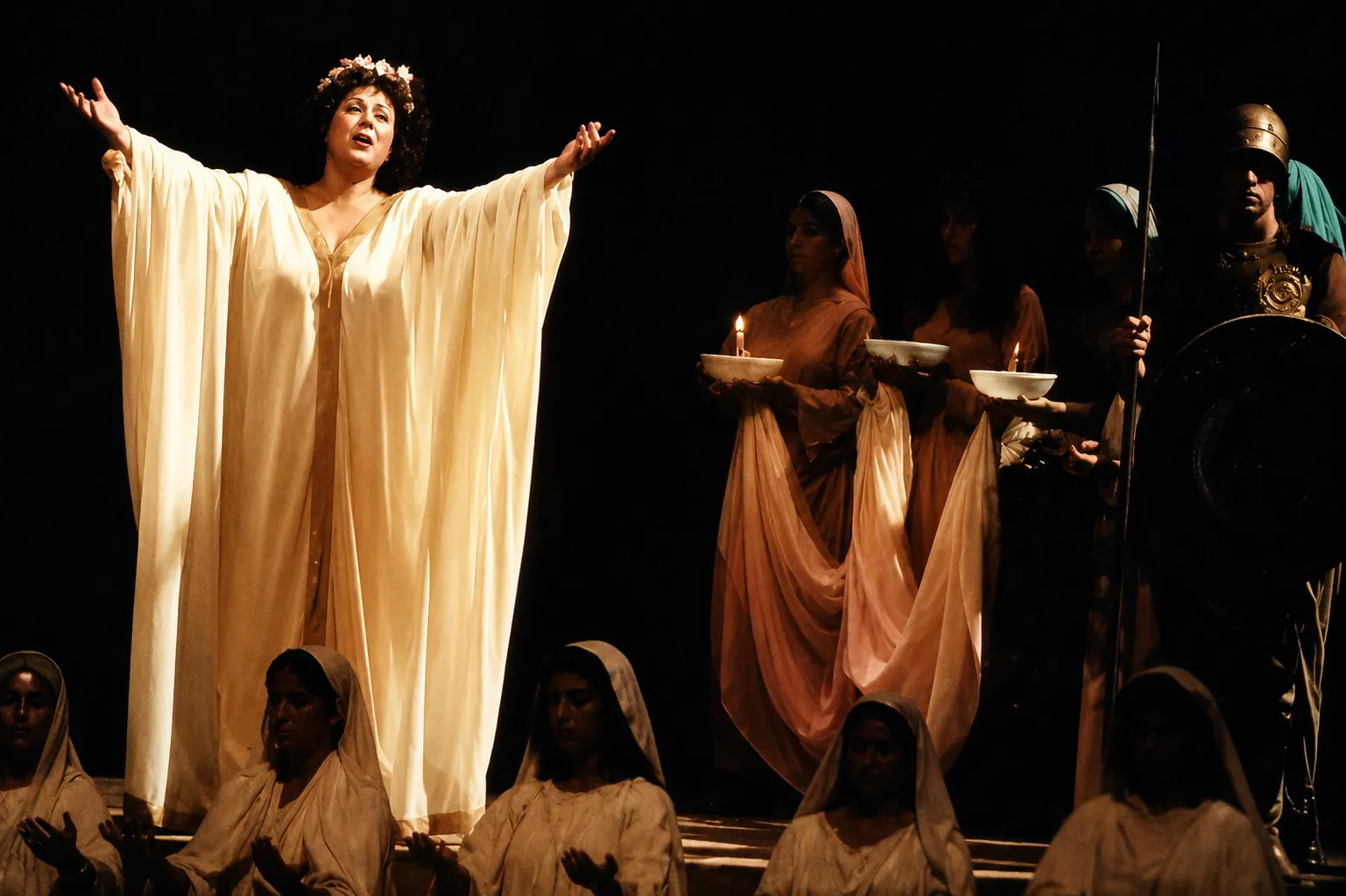
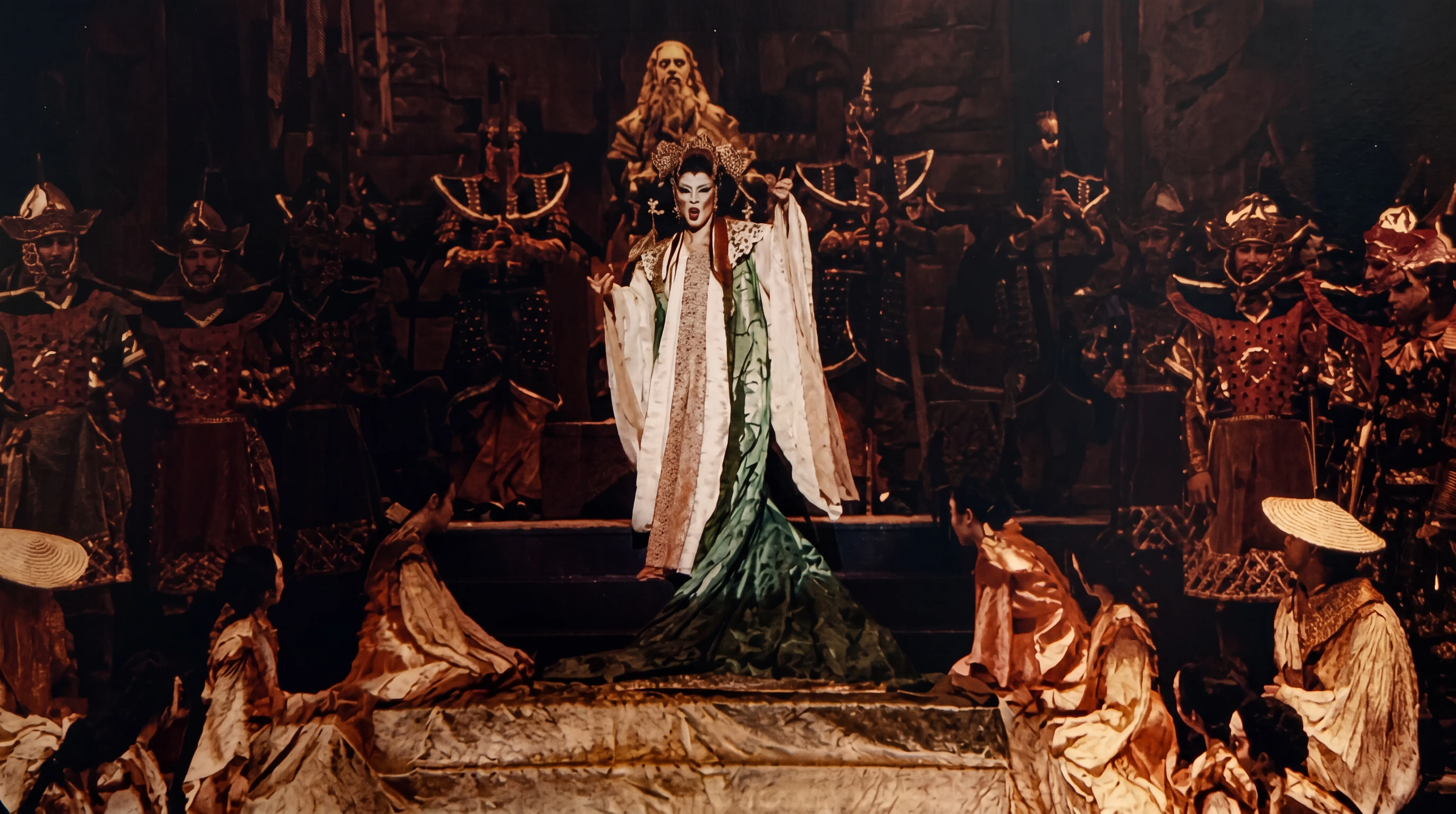
Ambition becomes identity (1983–1985). In 1983, the company reached a turning point with the monumental Scarpia of Justino Díaz in Tosca. That same year, Aida brought Margarita Castro-Alberty, fresh from her triumph in Orange (France), in a staging with 135 people on stage. With that, the company set its course: to commit not only to box-office titles but also to the most demanding masterpieces. In 1984 it added La bohème, a Macbeth with Díaz in his first title role opposite Sylvia Sass, and a spectacular Turandot with Olivia Stapp. Turandot and the 1865 version of Macbeth were Puerto Rico premieres. Norma and La forza del destino followed in 1985. In the latter, Barasorda, the founder who until then had refused to sing with his own company, at last took the stage.
Repertoire and resilience (1986–1989). In 1986, the company presented Madama Butterfly and Il trovatore. Lucia di Lammermoor followed in 1987, and the Puerto Rico premiere of Nabucco in 1988. In September 1989, a Rigoletto starring Pablo Elvira was the first major cultural event after Hurricane Hugo. Donations of money and medicine for the victims were collected in the theater lobby.
The world comes to San Juan (1990–1991). In co-production with Culturarte de Puerto Rico, the company presented Otello in 1990, with Justino Díaz as Iago and Margarita Castro-Alberty as Desdemona. The following year, the 1991 Opera Festival brought together in San Juan Mirella Freni, Alfredo Kraus, June Anderson, Cecilia Bartoli, Nicolai Ghiaurov, Justino Díaz and Pablo Elvira. Díaz and Elvira also led a performance of Don Giovanni commemorating the bicentennial of Mozart's death.
Turandot was on a par with the finest international opera stages.
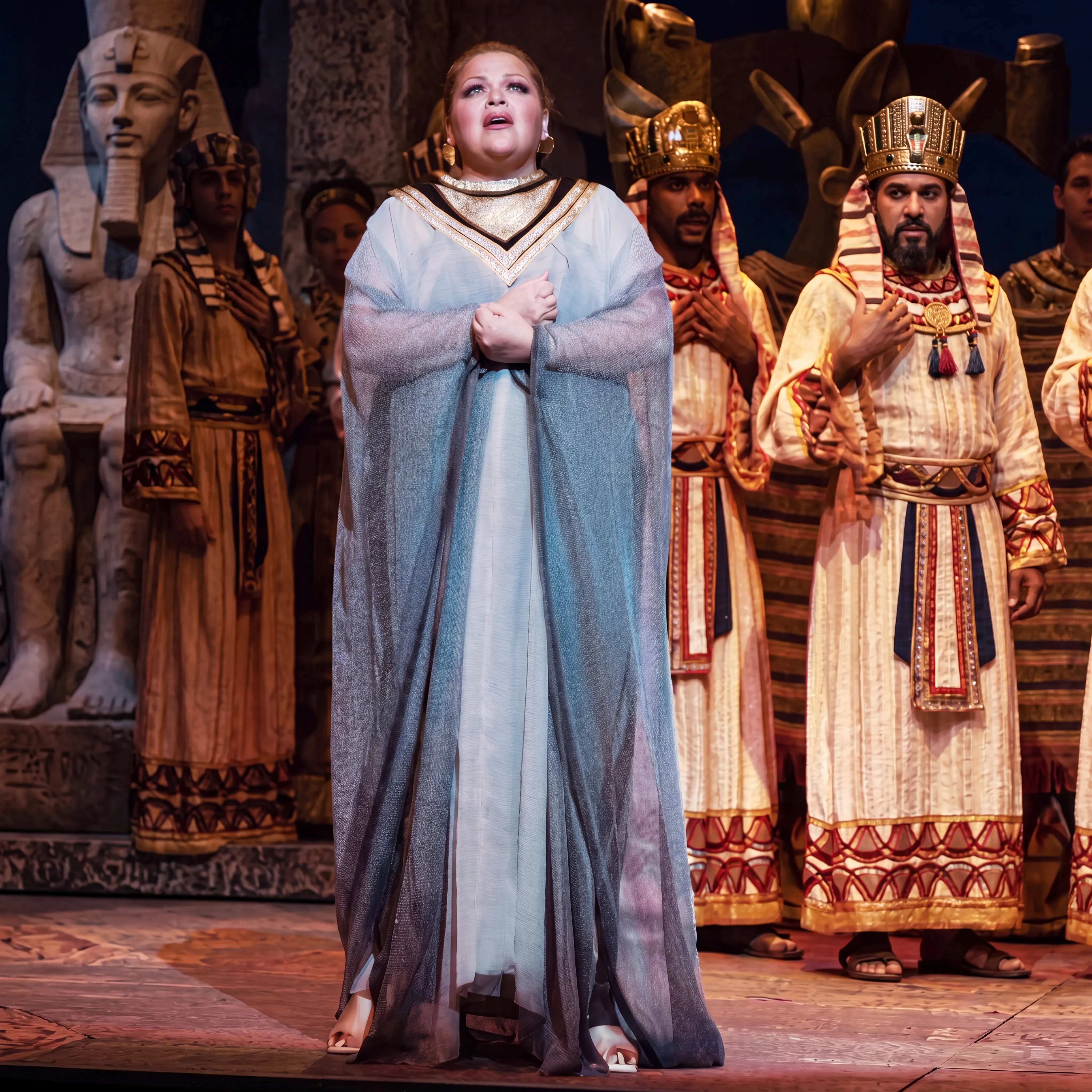
Premieres and island pride (1992–1996). L'elisir d'amore arrived in 1992. Don Carlo had its Puerto Rico stage premiere in 1993, with Paul Plishka and Jerome Hines, both basses of the Metropolitan Opera in New York. Andrea Chénier and Manon Lescaut followed in 1994. In 1995, Salome, with Julia Migenes and Leonie Rysanek, was the first Strauss opera and the first German opera staged on the island. In 1996, the four great Puerto Rican voices of the day (Justino Díaz, Pablo Elvira, Antonio Barasorda and César Hernández) shared the stage in the double bill of Pagliacci and Cavalleria rusticana, with sets by Antonio Martorell.
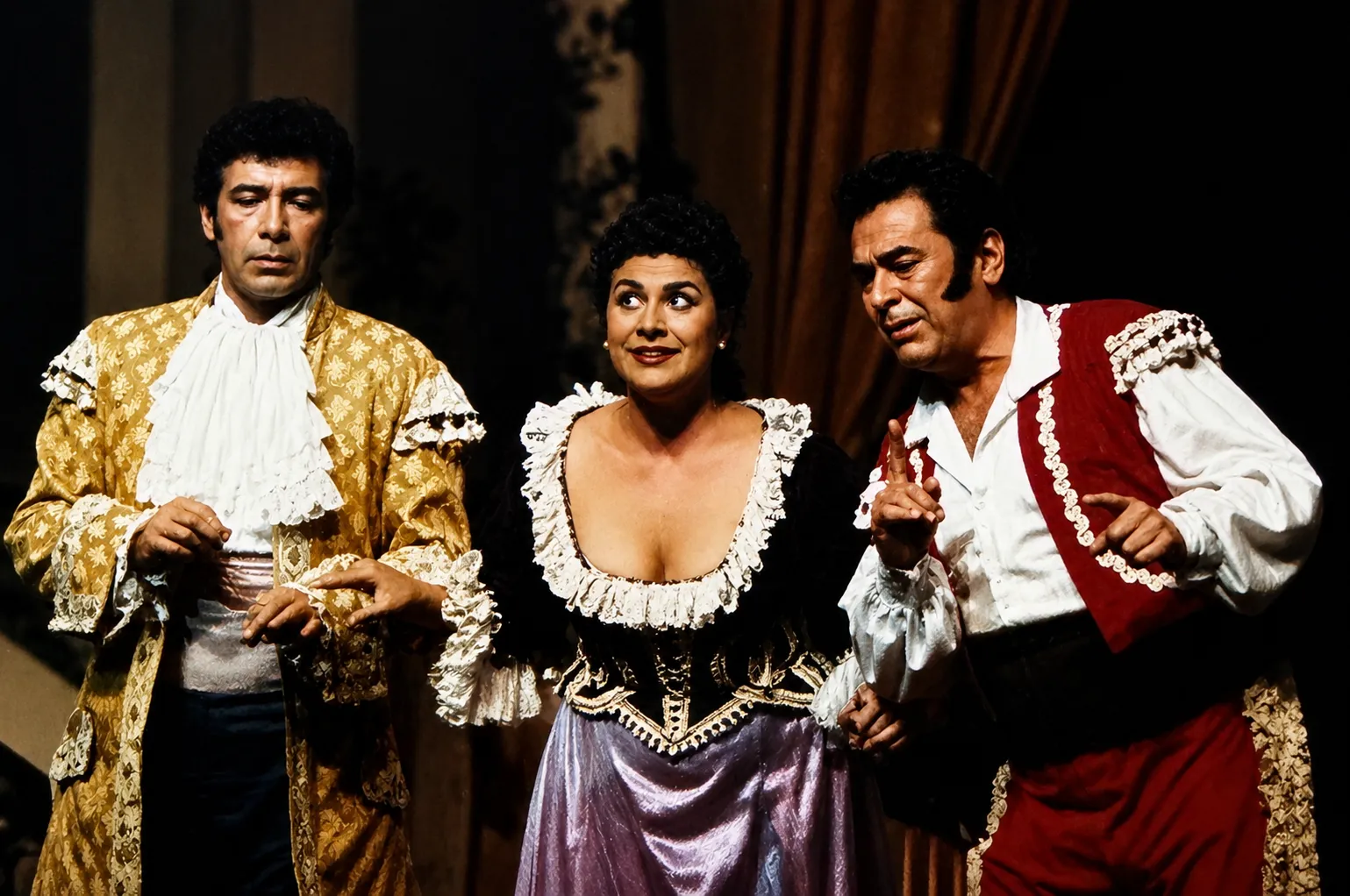
Maturity and anniversary (1997–2002). The 15th-anniversary season opened in 1997 with a Simon Boccanegra, with Justino Díaz in the title role, that critics called the company's richest, most intense and most noble production. Les contes d'Hoffmann was presented the same year. Un ballo in maschera and Il trovatore came in 1998. In 1999 it was the turn of Tosca and a gala with Yalí-Marie Williams and Rolando Villazón. Lucia di Lammermoor and Roméo et Juliette took the stage in 2000. In 2001 the company presented Les pêcheurs de perles and Otello returned, this time with Barasorda in the title role and Díaz as Iago. For its 20th anniversary, in 2002, the company presented Faust and The Magic Flute. In Faust, Justino Díaz sang Méphistophélès, one of his most frequent roles. That year the company also established its first educational partnership, with the Baldwin School of Puerto Rico.
Quite possibly, this has been the richest, the most assured, and the most intense and noble production of Teatro de la Ópera, Inc.
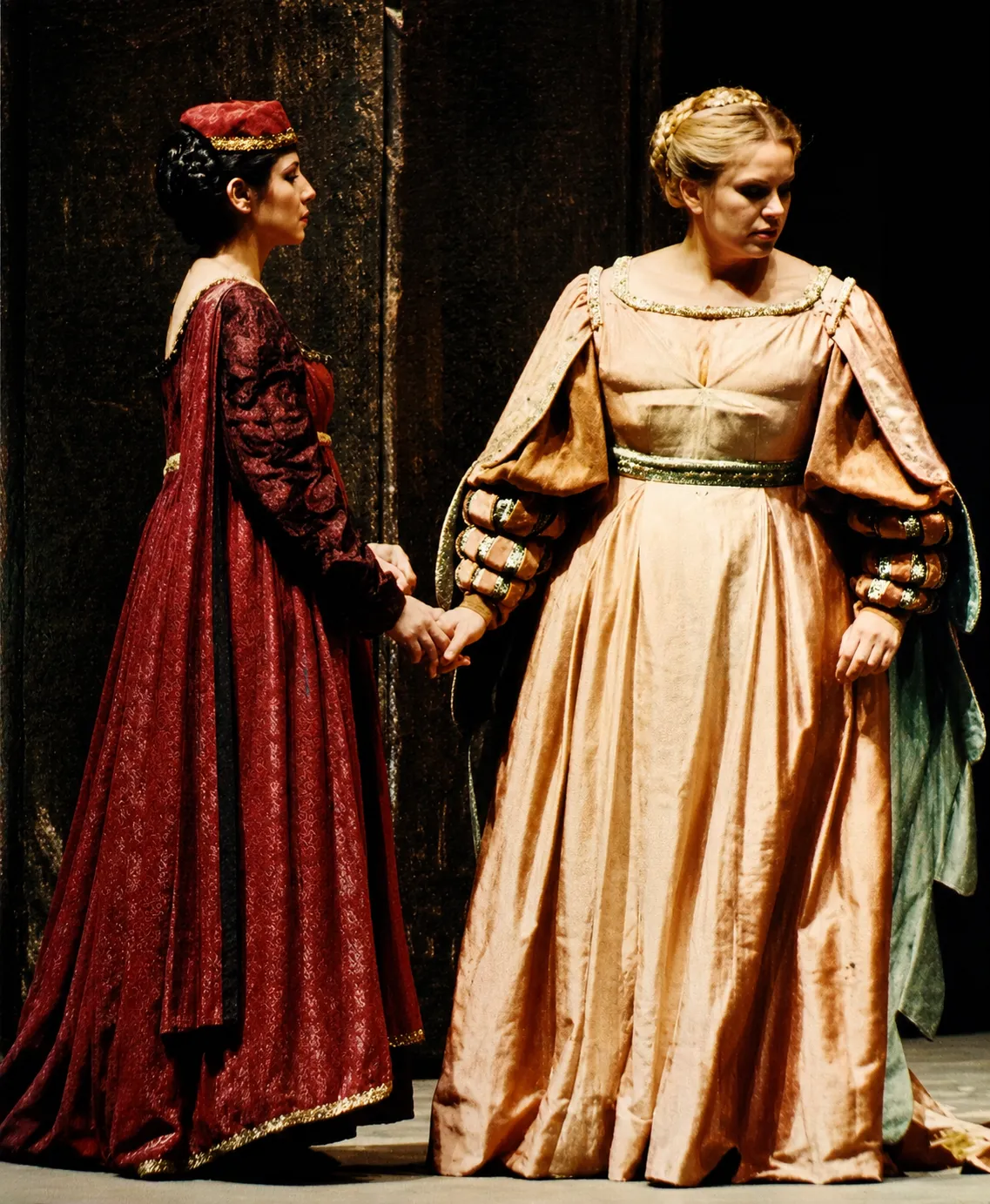
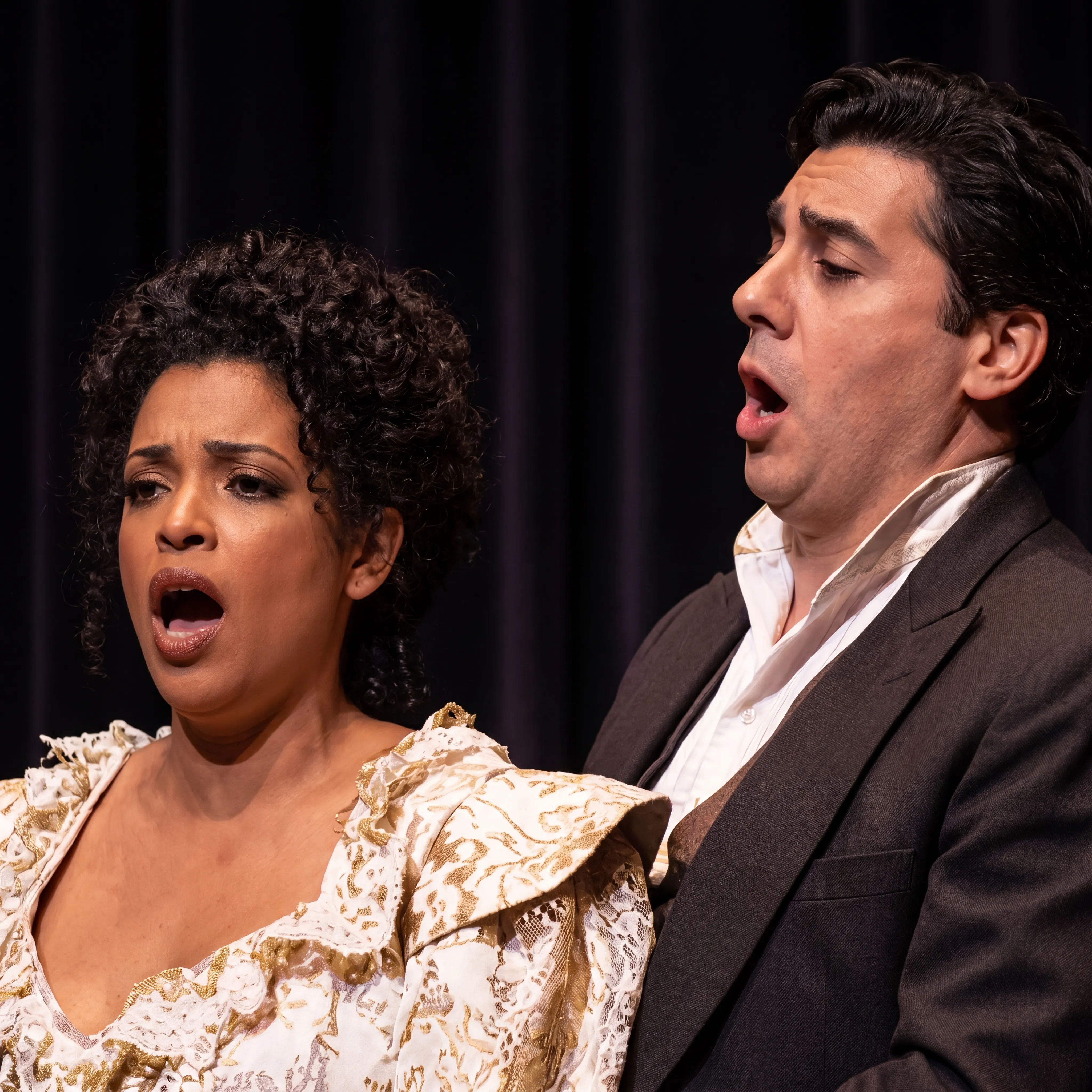
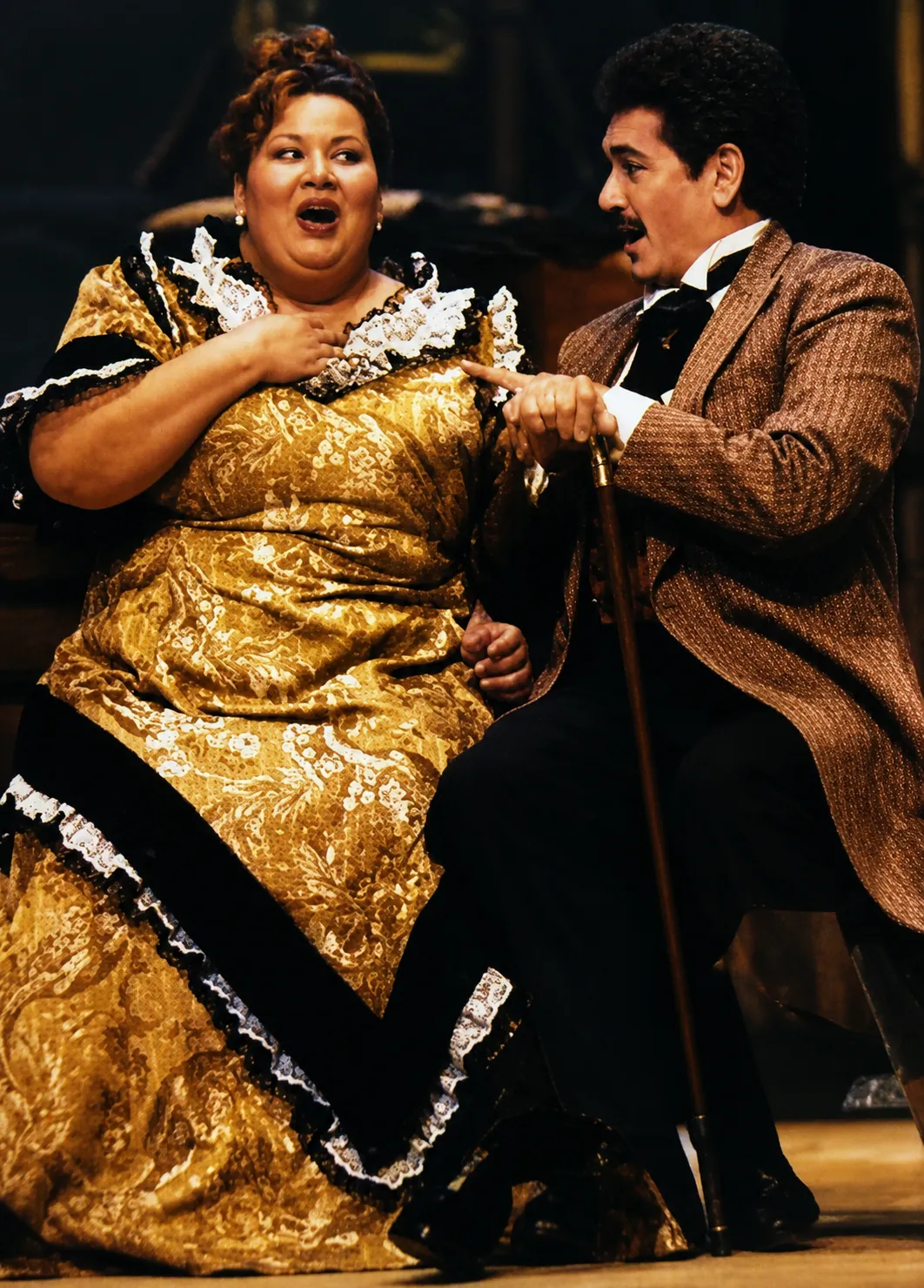
New frontiers (2003–2009). The company kept broadening its repertoire. In 2003 it presented a new Norma and Le nozze di Figaro. The following year brought nothing less than Tristan und Isolde, the first Wagner opera staged in Puerto Rico. In 2005 came Ópera al Fresco, a free open-air program that took opera to plazas and communities. It began with Pagliacci and presented The Barber of Seville in 2007 at the Cuartel de Ballajá. On the main stage, Aida arrived in 2006, co-produced with Ópera de Puerto Rico. In 2007, on its 25th anniversary, the company dedicated a Rigoletto to its founder. In 2008, Antonio Barasorda returned to the presidency after seventeen years. In 2009 the company staged its first Carmen.
Continuity and training (2010–2019). The company never stopped. Ópera al Fresco took free opera and zarzuela to plazas and communities, with titles such as Marina, Luisa Fernanda and Amahl and the Night Visitors. The main stage presented Don Giovanni (2011), Il trittico (2013), Madama Butterfly and La bohème (2014) and Così fan tutte (2015, with the Orquesta Sinfónica de Puerto Rico). Since 2016, a key partnership with the Taller de Ópera (Opera Workshop) of the Conservatorio de Música de Puerto Rico has made the company a training ground for new voices. So came The Bartered Bride (2016), The Magic Flute (2017), Suor Angelica (2018) and Hänsel und Gretel (2019).
Pause and return (2020–2022). The pandemic interrupted the 2020 season, and ¿Y los pasteles? could only be presented as a reading. In 2022, after the death of its founder, the company returned to the stage with the world premiere of this jíbaro opera by the Puerto Rican composer Johanny Navarro, with a libretto by José Félix Gómez and in partnership with Pro Arte Musical. An entirely Puerto Rican work, performed by a new generation of voices, was thus dedicated to the late Antonio Barasorda.
The new Puerto Rican voice (2023–2026). The collaboration with the Conservatorio's Taller de Ópera continued to nurture talent with Bizet's Le docteur Miracle, Haydn's La canterina and the Cendrillon of Pauline Viardot. That last one is not Massenet's, but the salon opera by the French mezzo-soprano. To these were added original creations such as the Auto sacramental de los Reyes Magos (2024). In 2026, the company returns to opera buffa with La batalla de los sexos en dos tiempos, a double bill that joins Pergolesi's La serva padrona with the revised version of La historia de aquel que se casó con mujer muda by Alberto Guidobaldi, the Italian composer based in Puerto Rico. Musical direction is by Roselín Pabón and artistic direction by Ricardo Sepúlveda, a former singer with the company and now artistic director of the Taller de Ópera.
And that story is not over. Today, Teatro de la Ópera looks ahead: toward a new generation of Puerto Rican voices and toward an audience that is once again filling the hall. What was sung on the grand scale will be sung again.
Four decades, one legacy.
More than ninety productions and concerts.